Dr. Greg Burek
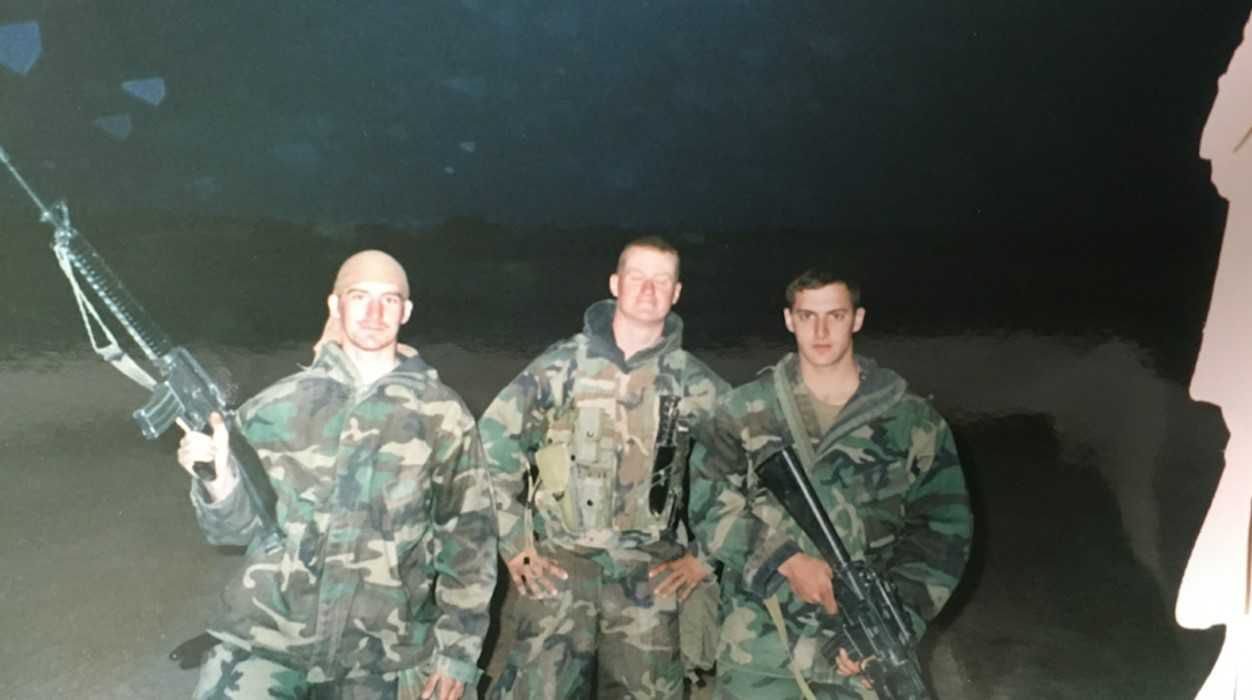
Marine. Psychiatrist. Warrior- Healer
Dr. Greg Burek isn’t your typical psychiatrist, he’s a former U.S. Marine who knows the battlefield from the inside, survived the 2003 invasion of Iraq, and came home determined to fix the broken system. Too many veterans are left to navigate alone.
After serving infantry from 1999–2003, Dr. Burek channeled the grit and discipline of the Corps into a new mission: understanding the invisible wounds of service- traumatic brain injury (TBI), PTSD, sleep disruption, moral injury, and the psychological scars that don’t show up on a paycheck.
He earned his MD from Drexel University and completed psychiatry residency at the Medical College of Wisconsin, later serving as chief resident focused on improving how clinicians communicate with and treat veterans once they walk back through civilian doors.
Today, Dr. Burek is Medical Director of the BRAVE Program — the Midwest’s first intensive outpatient program built specifically for veterans and first responders battling TBI, PTSD, and the full spectrum of hidden trauma. Under his leadership, BRAVE has become one of the fastest-growing programs of its kind in the country, breaking down stigma and barriers to care for one warrior at a time.
What sets him apart? He doesn’t just study military trauma -he has lived it. He’s the doctor who knows the landscape veterans are fighting on and refuses to treat them like case files. He pushes for culturally competent care that understands chain of command, combat stress, forgetfulness in civilian life, nightmares that won’t quit, and the lifelong toll of service.
Under his leadership, BRAVE has quickly grown: as of 2025, it has become the fastest-growing Avalon-affiliated TBI recovery program nationwide.Importantly, the program doesn’t just provide standard care — it integrates varied specialties (neurology, psychiatry, physical therapy, occupational therapy, speech-language pathology, social work, case management, and veteran outreach) to create individualized treatment plans that address both brain injury and the complex psychological and cultural dimensions associated with service
Dr. Burek has spoken about how military culture shapes the way service members experience sleep, trauma, and recovery and why the old “suck it up” mentality leaves far too many men and women isolated and unseen.